Hello everyone,
This month was spent working almost exclusively on more terrain features. Terrain will be a critical component of the game, not just for the game's planned terramorphing features, but also more generally for creating more intricate maps, with features like destructible bridges and narrow mountain passes. Because of this, one of the many things that needs to be done is creating a dynamic cliff system, which would allow us to create "stacking" cliffs of any height, which could transition seamlessly into ramps that allow for passages up onto plateaus or creating things like narrow ridgeway passages. Unfortunately, this requires quite a bit of work and figuring out.
First, numerous cliff pieces are created in Maya and then detailed in Zbrush, and then textured using Substance.
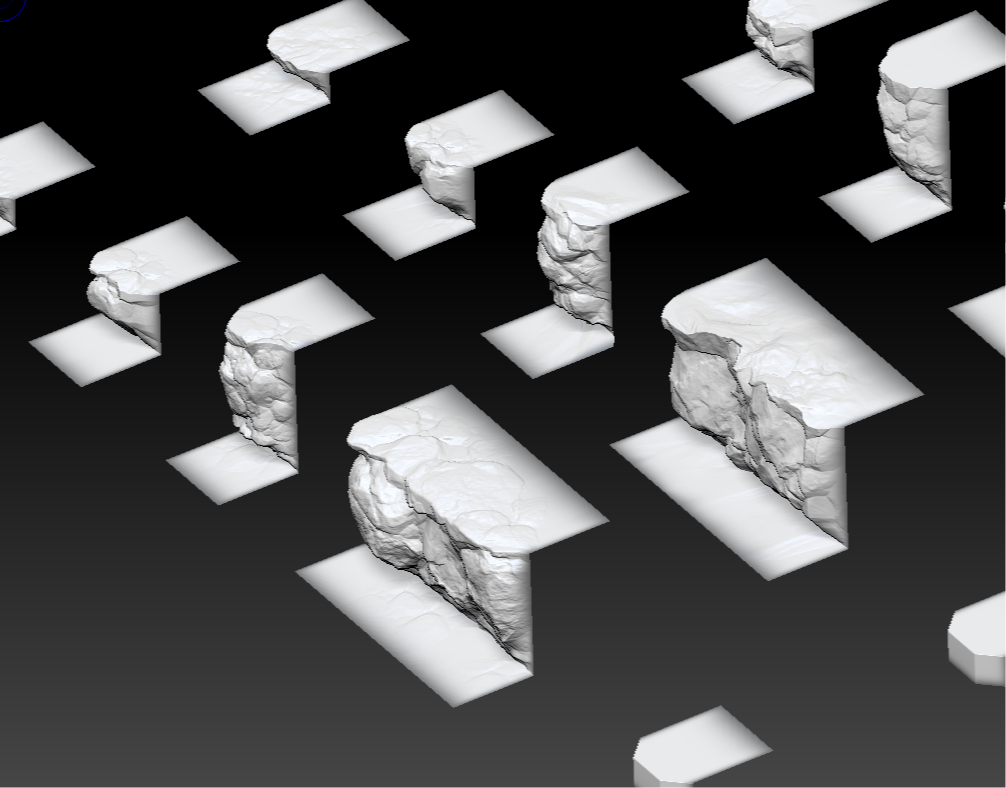
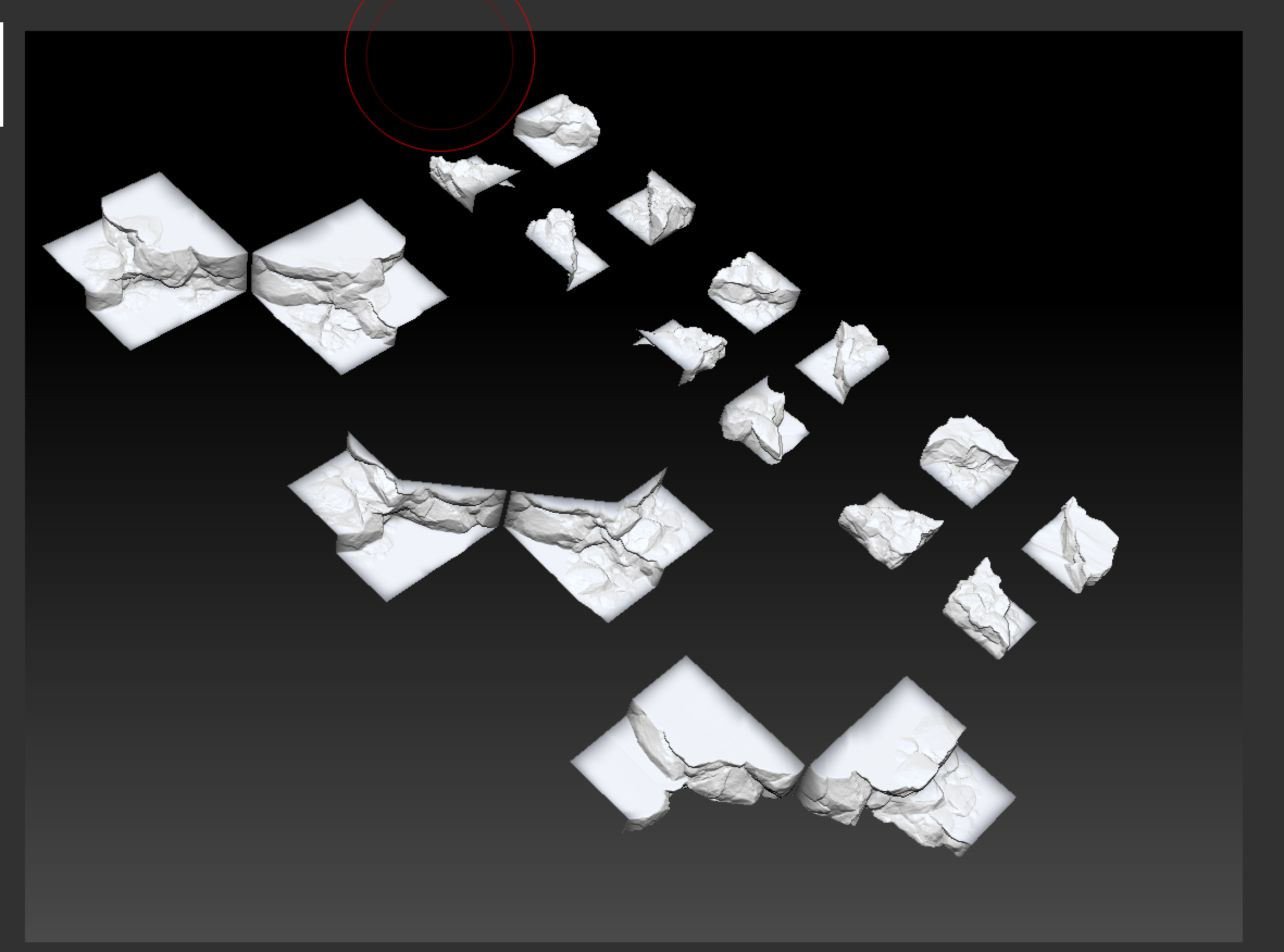
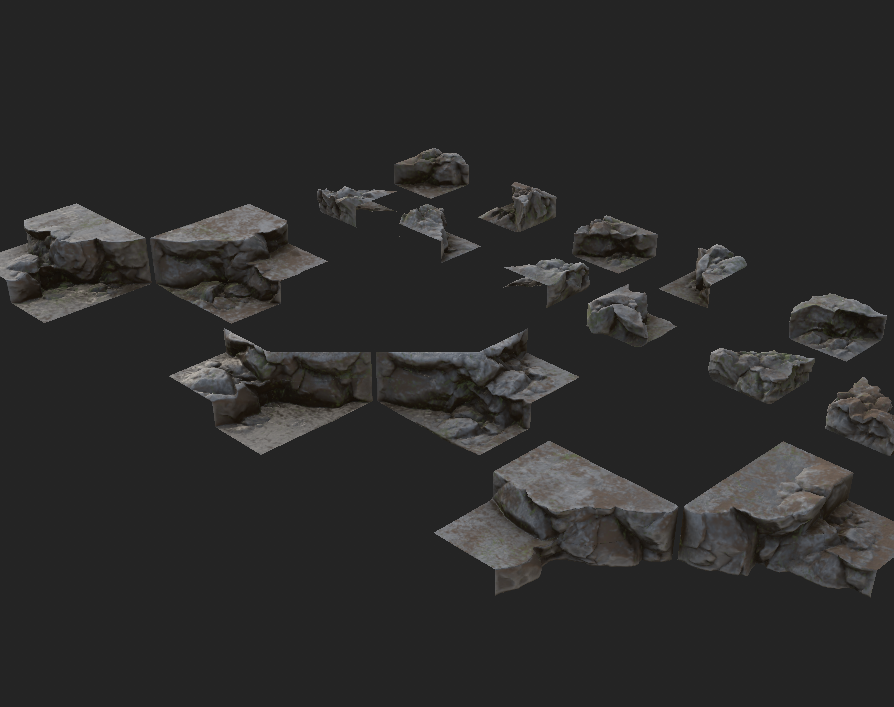
These then have to be imported back into Maya, and a large keyed sequence created that renders them in the preferred order, with the tiles needing to be aligned precisely to match with the game's worldspace grid. In the case of multi-tile cliff pieces, these need to be matted out so that they can be turned into separate sprites.
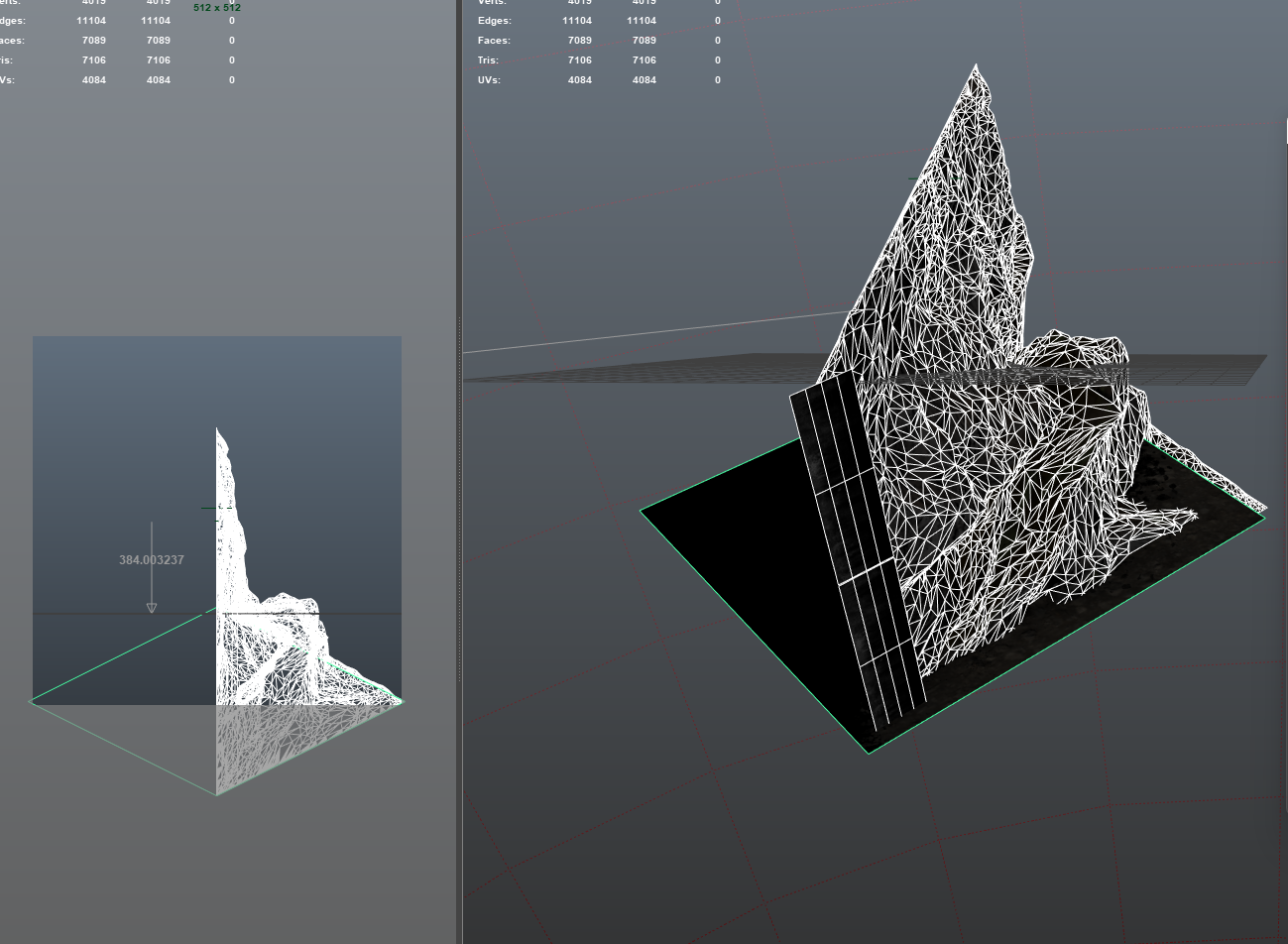
Custom depth sprites also need to be determined and rendered out, so that the tile pieces all receive shadows correctly and do not overlap or underlap the units that are supposed to drive over them (Note: the following depth sprites are all incorrect, as I learned the hard way after probably 6 hours of futzing around with them).

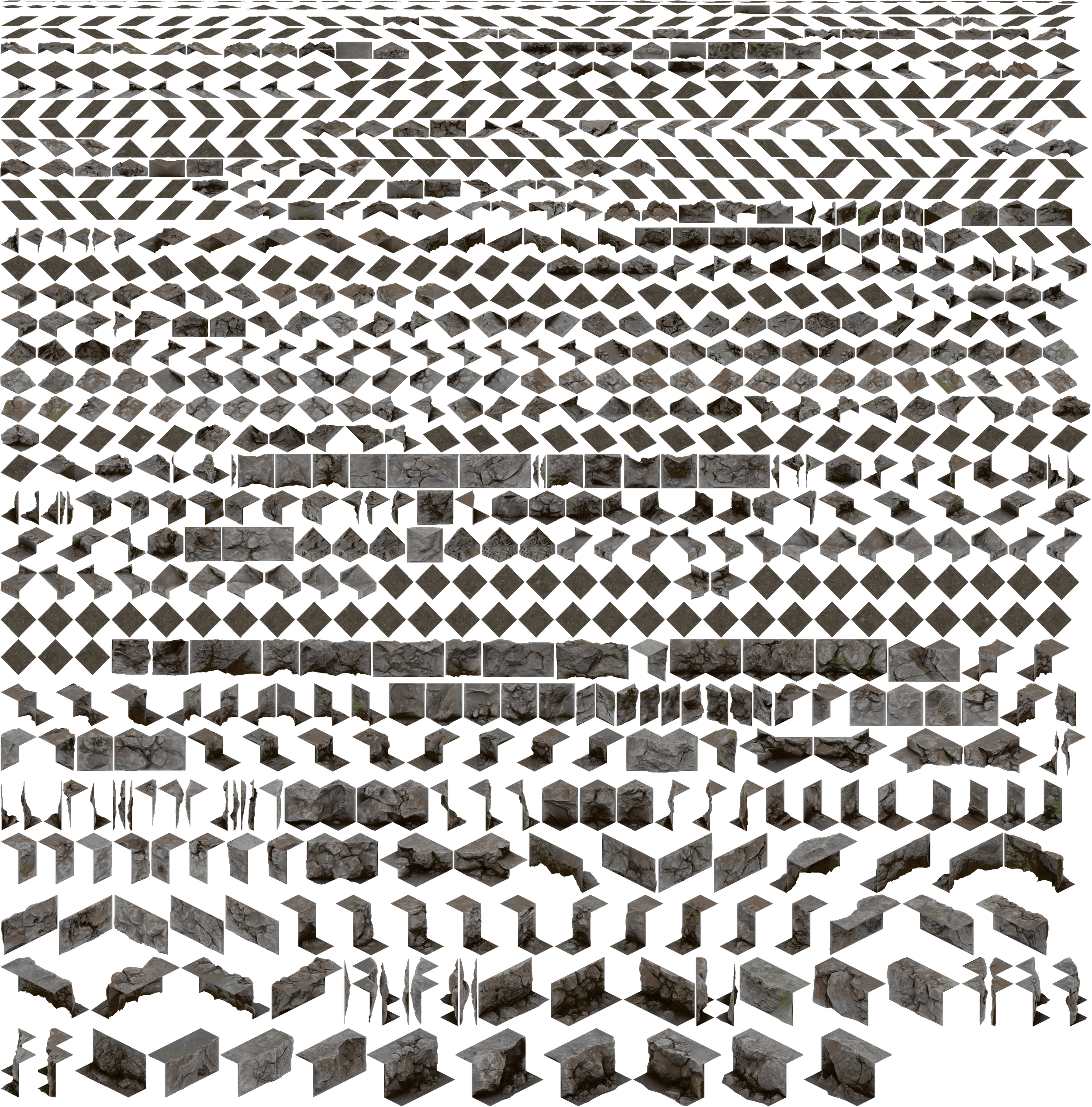
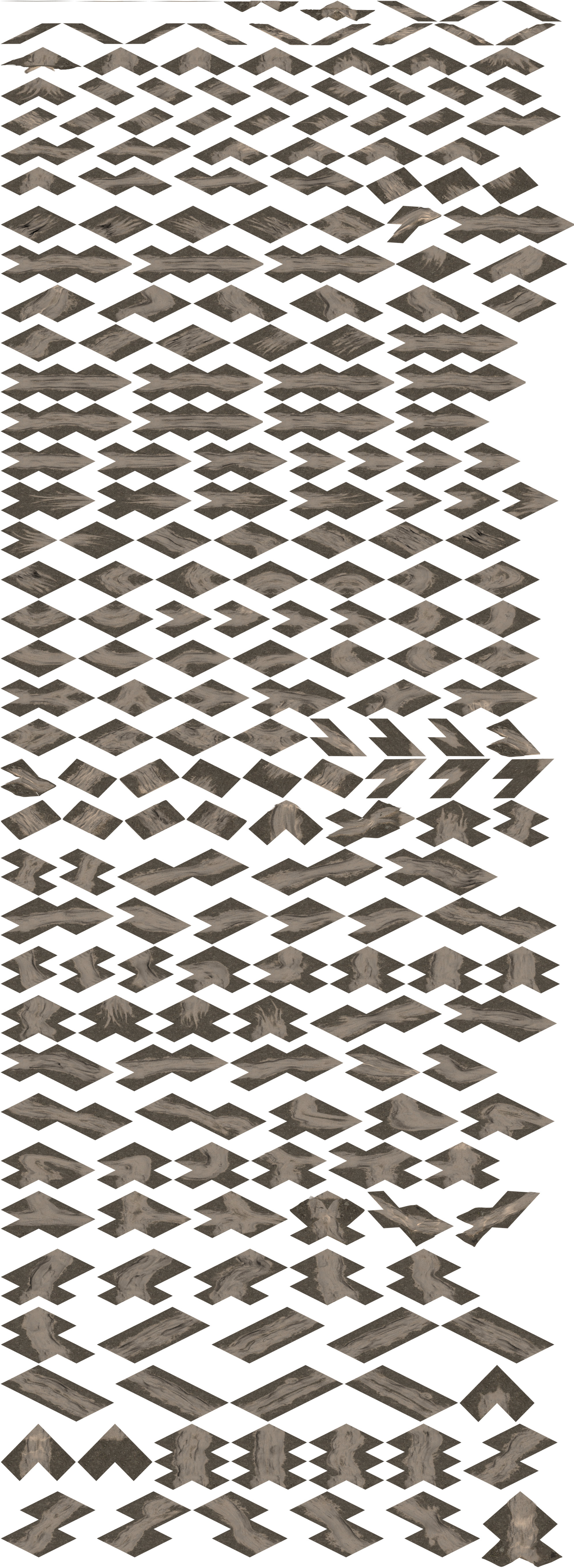
These all need to be placed into a gigantic sprite sheet, which also include the basic soil and slope tiles, just for the sake of efficiency. Packing together a larger number of sprites into a smaller number of sprite atlases is generally more efficient for game performance and load times.
And if everything was done correctly, all the sprites should be aligned correctly and look seamless together, and units should be able to move over and behind them correctly without weird Z-fighting issues.
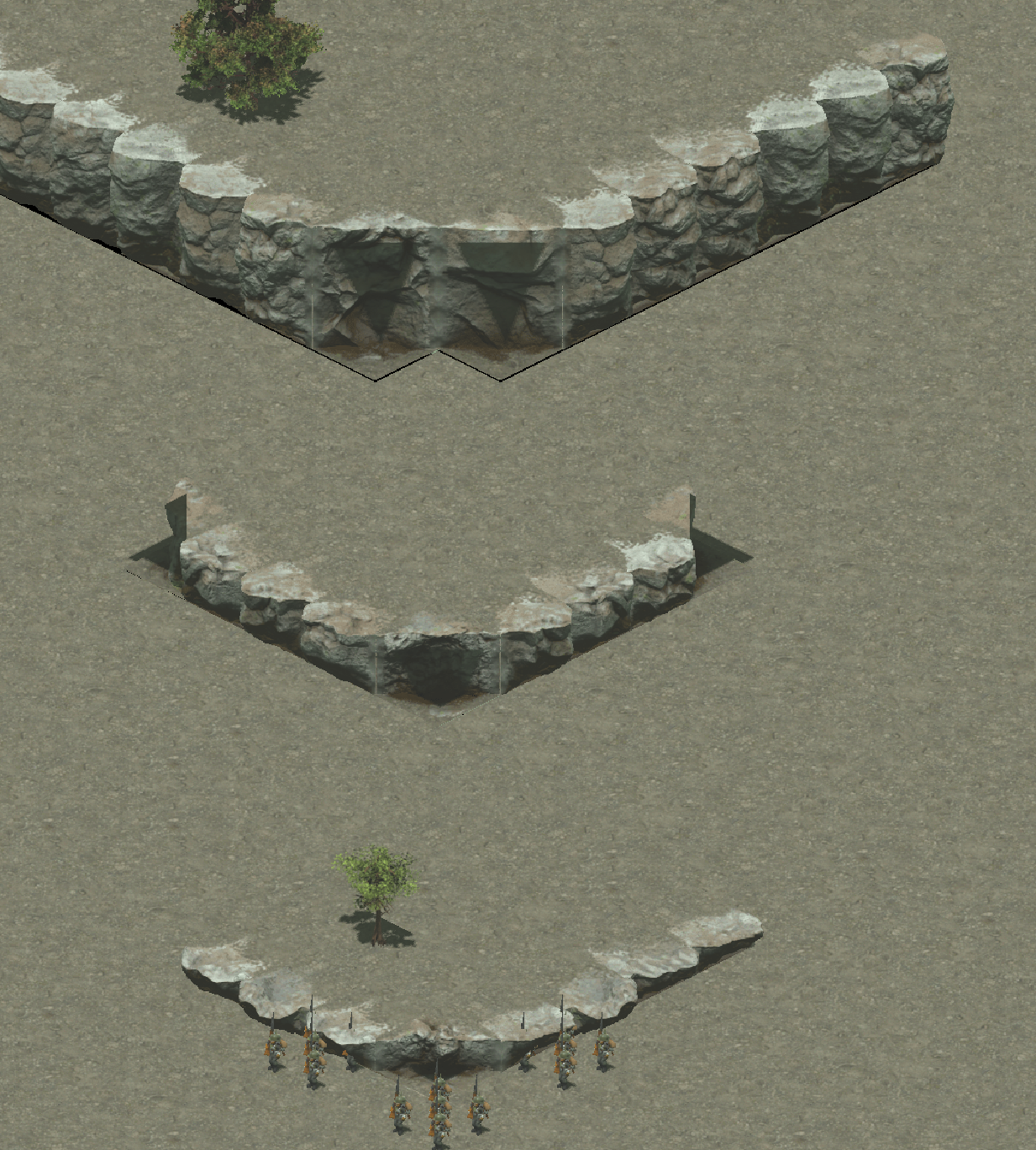
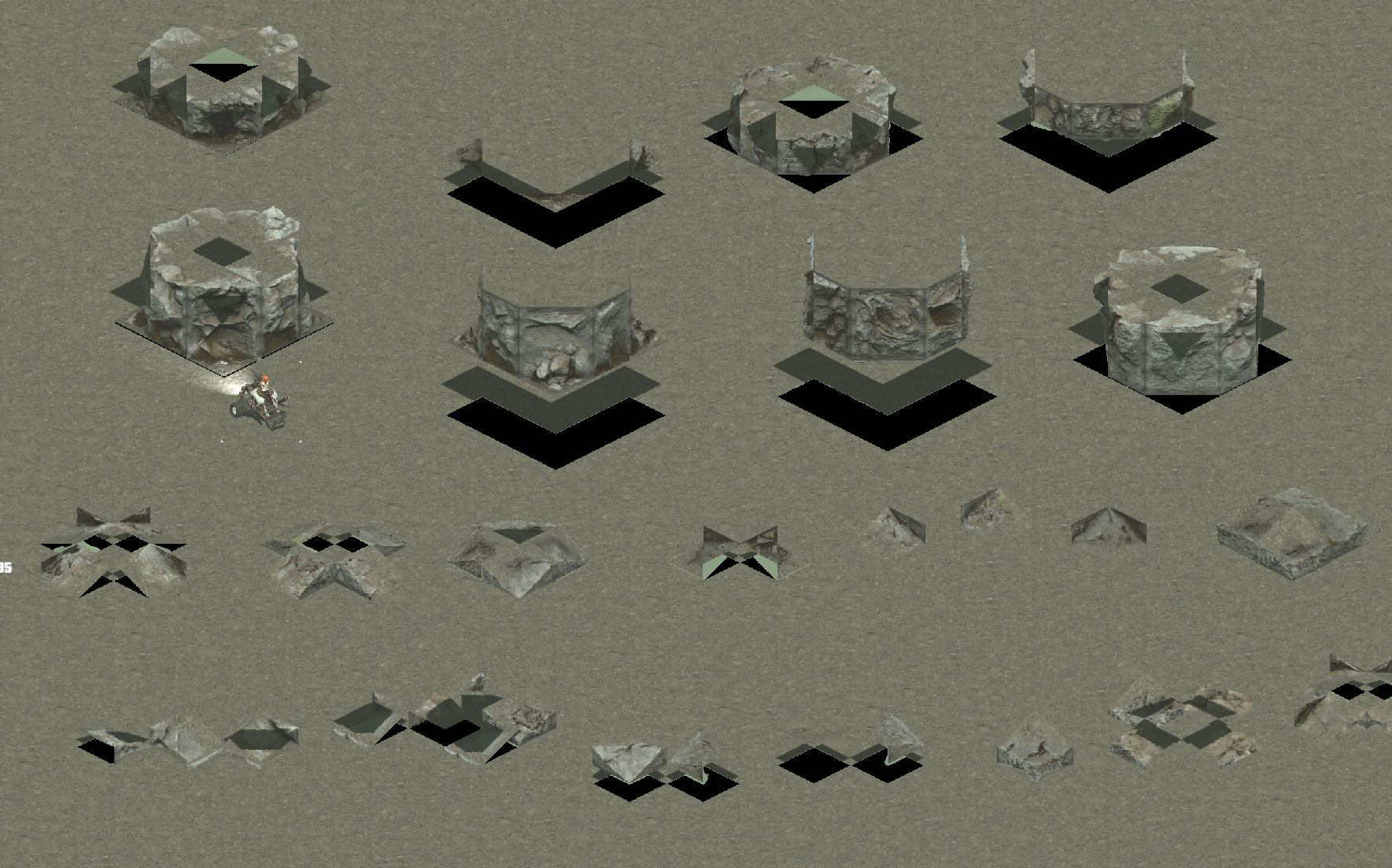

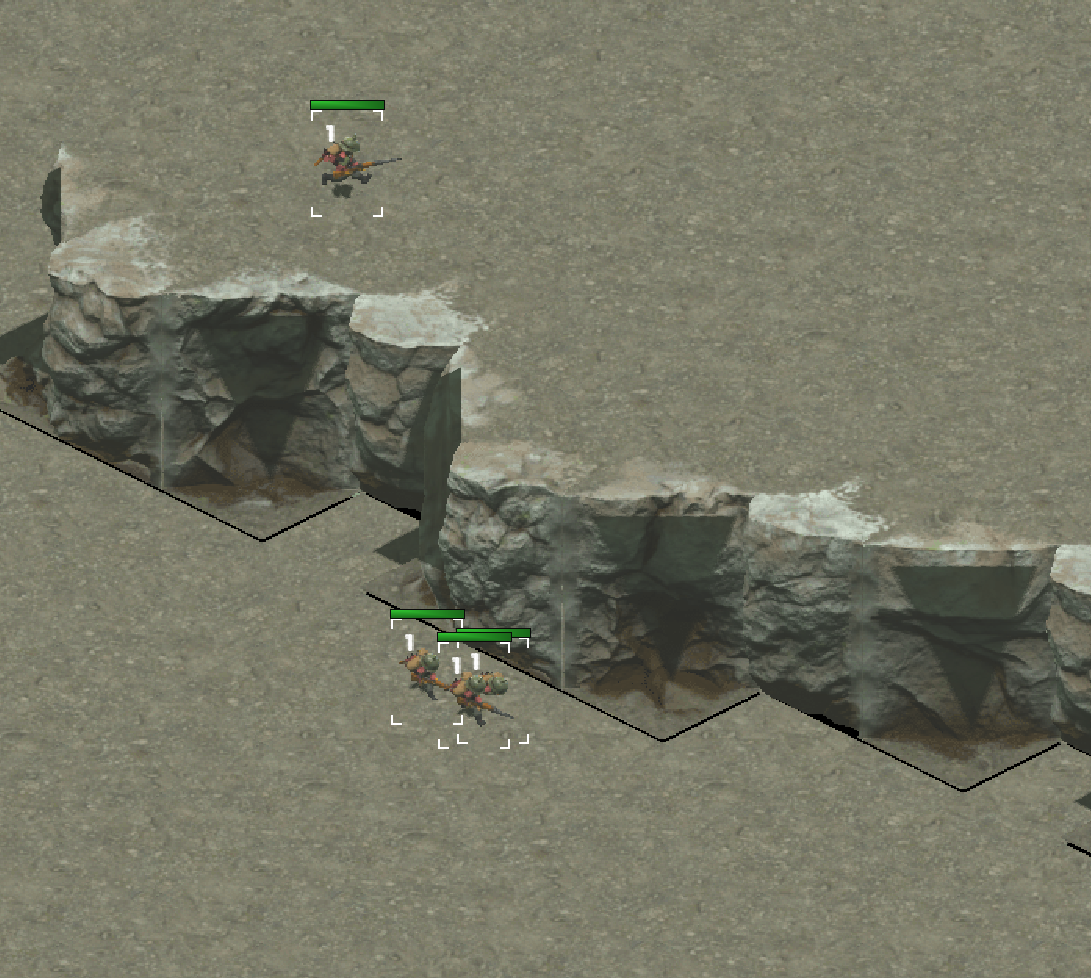
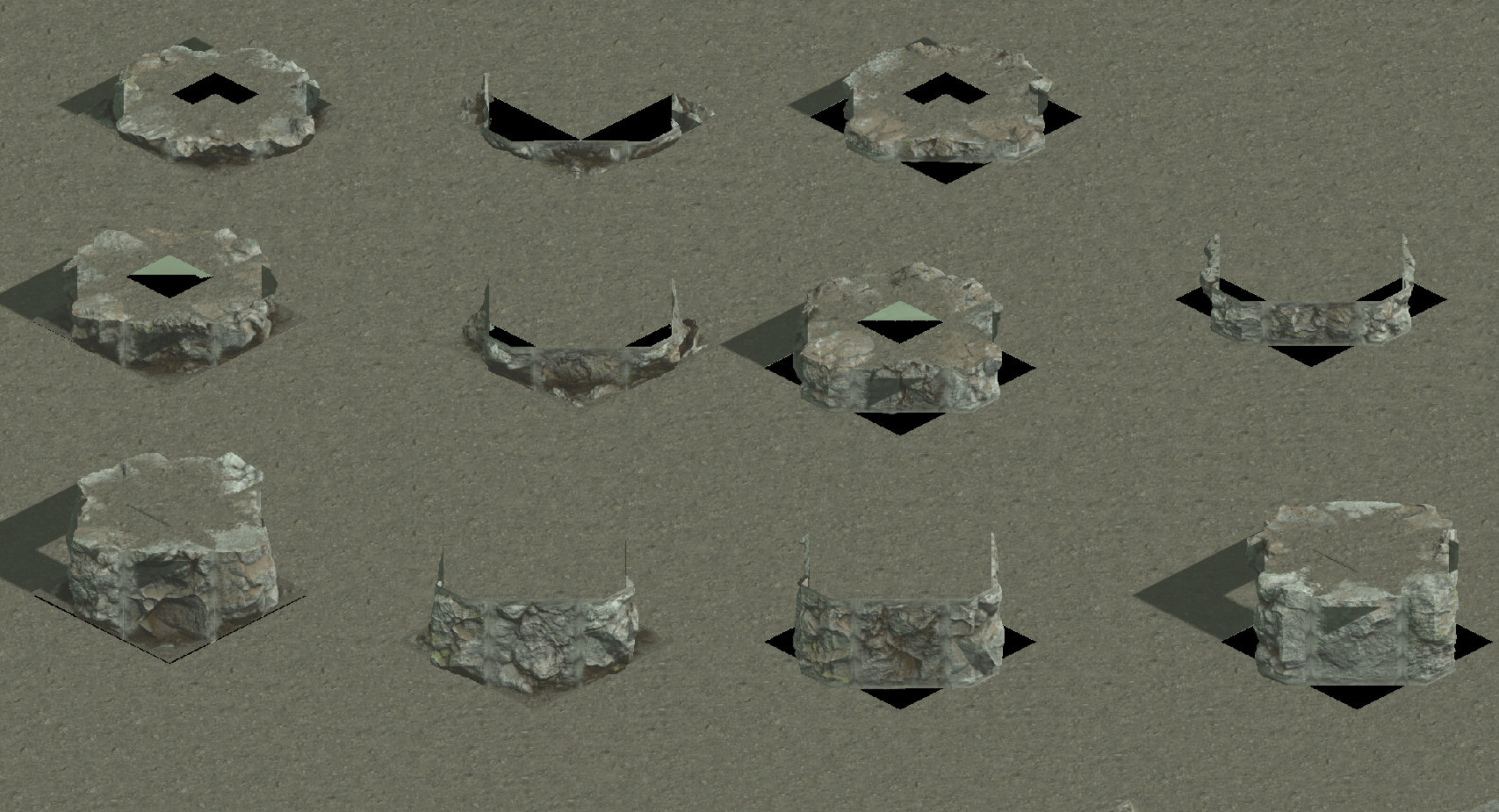
As you can see, everything was certainly not done correctly, and these sprites are all misaligned, have seaming issues, and have weird depth data. Whoops! Guess it's back to the drawing board!
Luckily, these are still all 3D models, and can just be continually tweaked and re-rendered, and so finishing the artwork for them and getting everything actually correct shouldn't be too difficult or time-consuming. Once I have all the correct layout, composition and depth information, creating further assets shouldn't be as big of a hassle, which is important seeing as we will need to be adding cliffs of concrete, metal and asphalt to accommodate the megacity maps, and urban environments in general. Luckily, those should be somewhat simpler, as the geometric, inorganic shapes of those materials means that seaming won't be a problem.
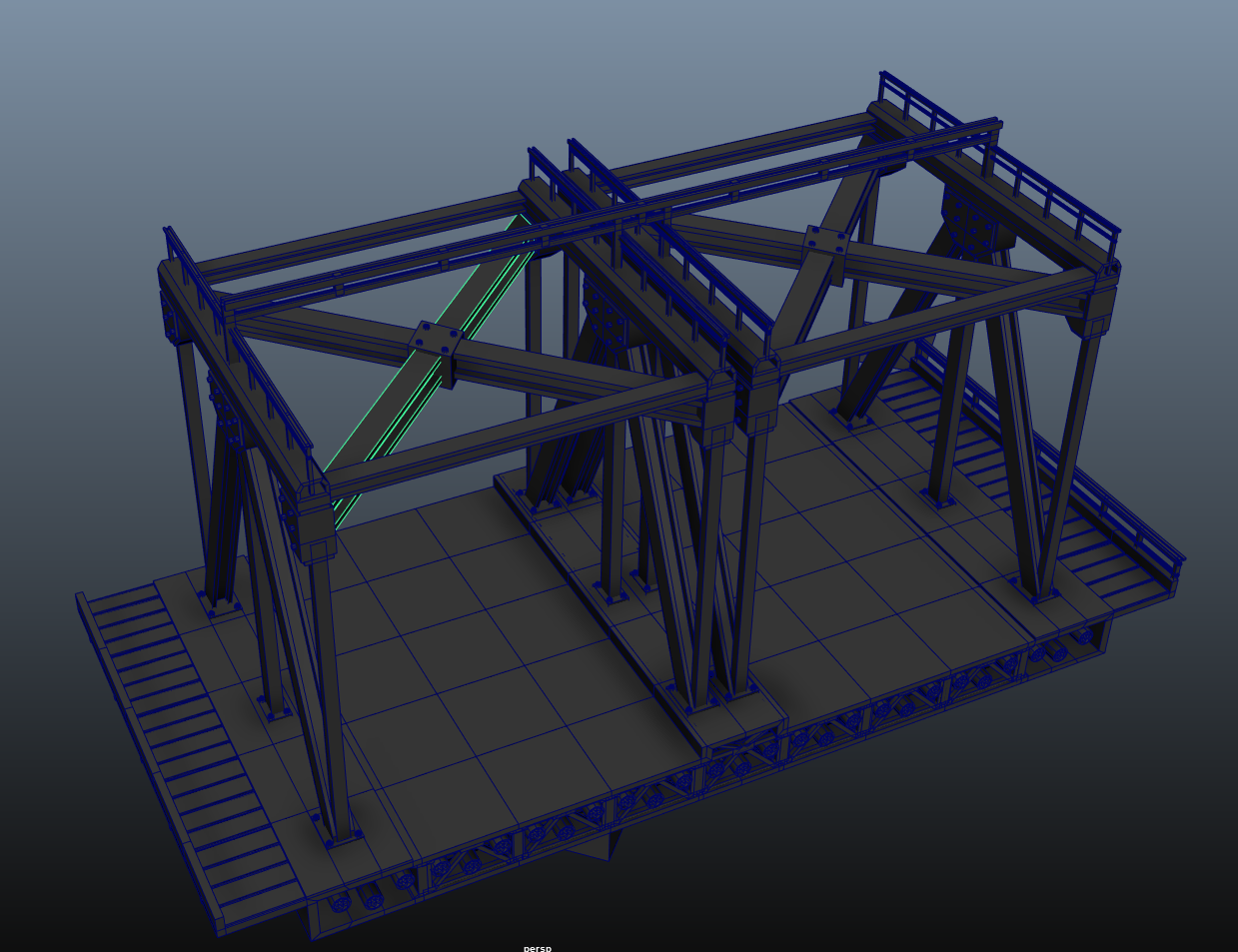
There's still further terrain to be worked on after this, of course. We want to include destructible bridges of multiple varieties, too, such as large freeway overpasses and small river crossings for infantry. Here is some preliminary work on those.

We also need to create dirt road sprites, although luckily, these are all done artwork-wise, and just need to be correctly cut into pieces and assembled in the game's terrain ruleset. The depth maps for these are also all already figured out, since they'd be using the same depth maps as the regular flat tiles and ramp tiles.
We also made a major breakthrough on the engineering side. Hotloading is now supported, which is a huge improvement in efficient for creating new game assets. What does that mean, exactly? Originally, if you wanted to make any changes to the game - such as changing a unit's weapon, or animations, or offsetting its individual components such as a turret or wheels, etc - you would need to save these changes in the game's rule files, close the game, reboot it, and reload a game map that has that unit in it to see the changes. This could become very tedious, especially in cases such as determining unit firing offsets or offsets for separate sprites like turrets and tank treads. Hotloading now means that most changes will change as soon as you reload a map that contains the asset you altered, and in some cases the change happens as soon as you save the file itself, even while the game is actively running. This is extremely useful, and will mean game assets will be able to be implemented much more quickly, without having to deal with rebooting over and over.
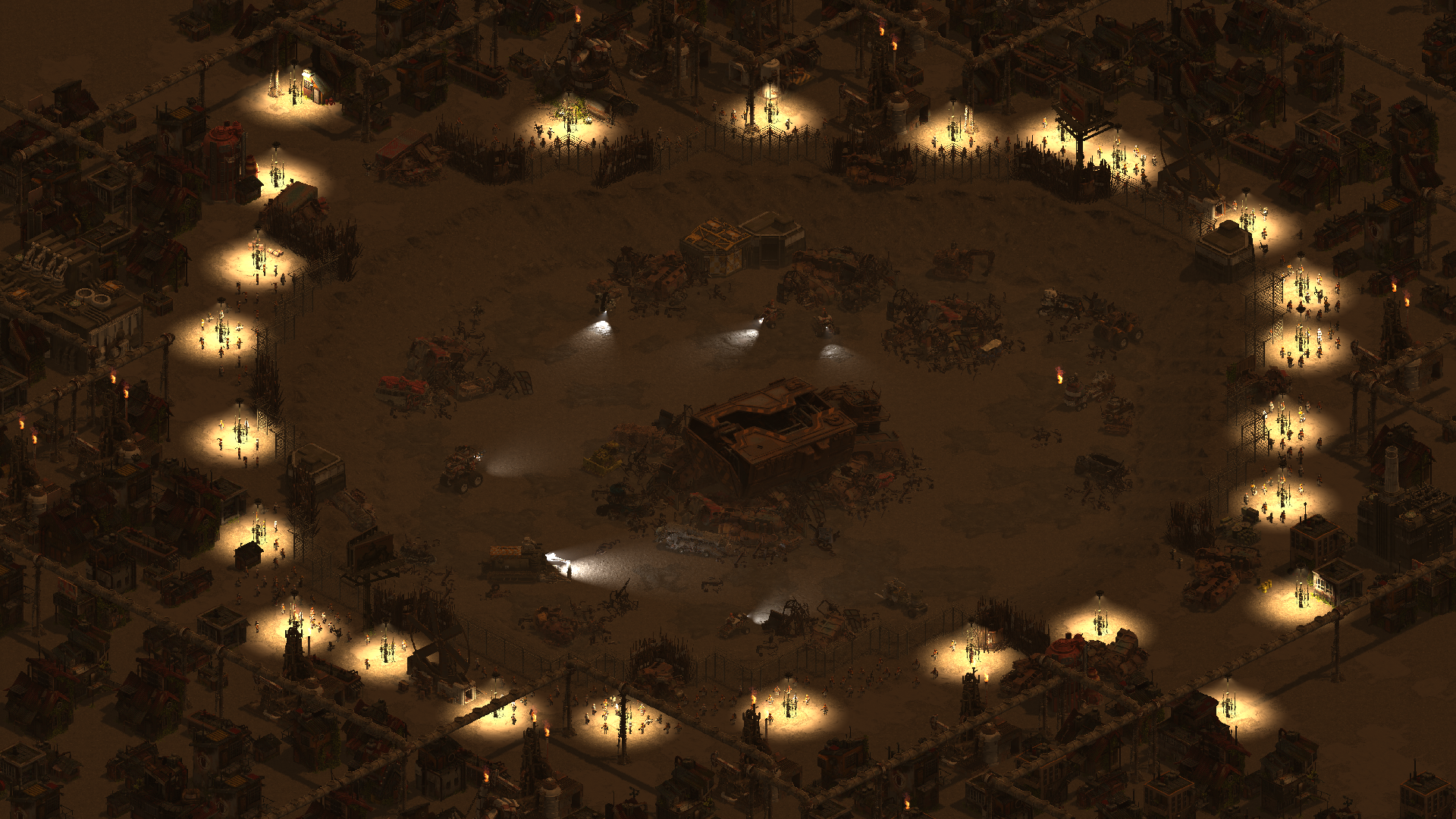
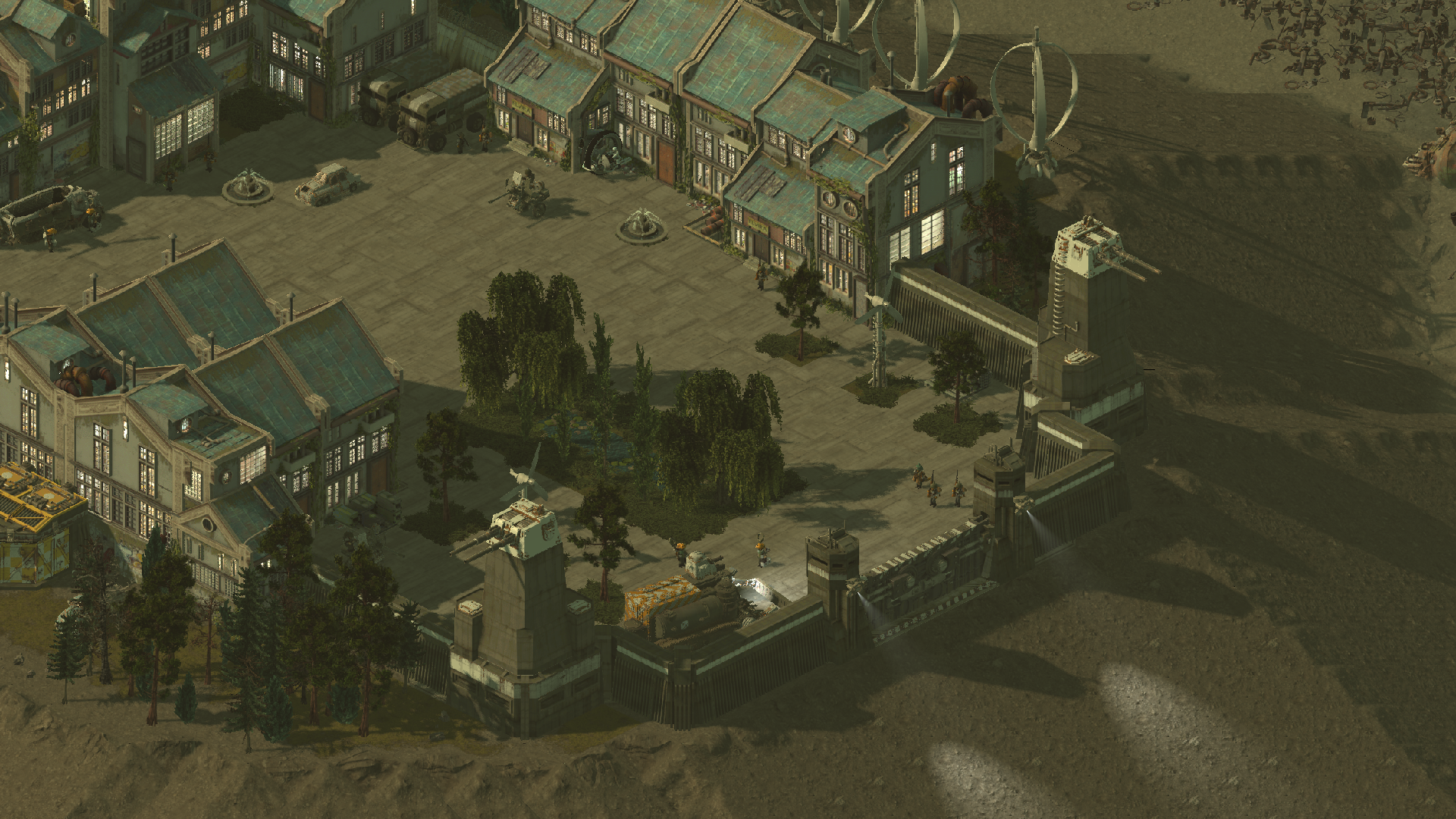
We also had some of the newer team members try out the map editor, to get a headstart on familiarizing them with the game tools before we actually move onto working on actual campaign and skirmish maps. Here are some results:

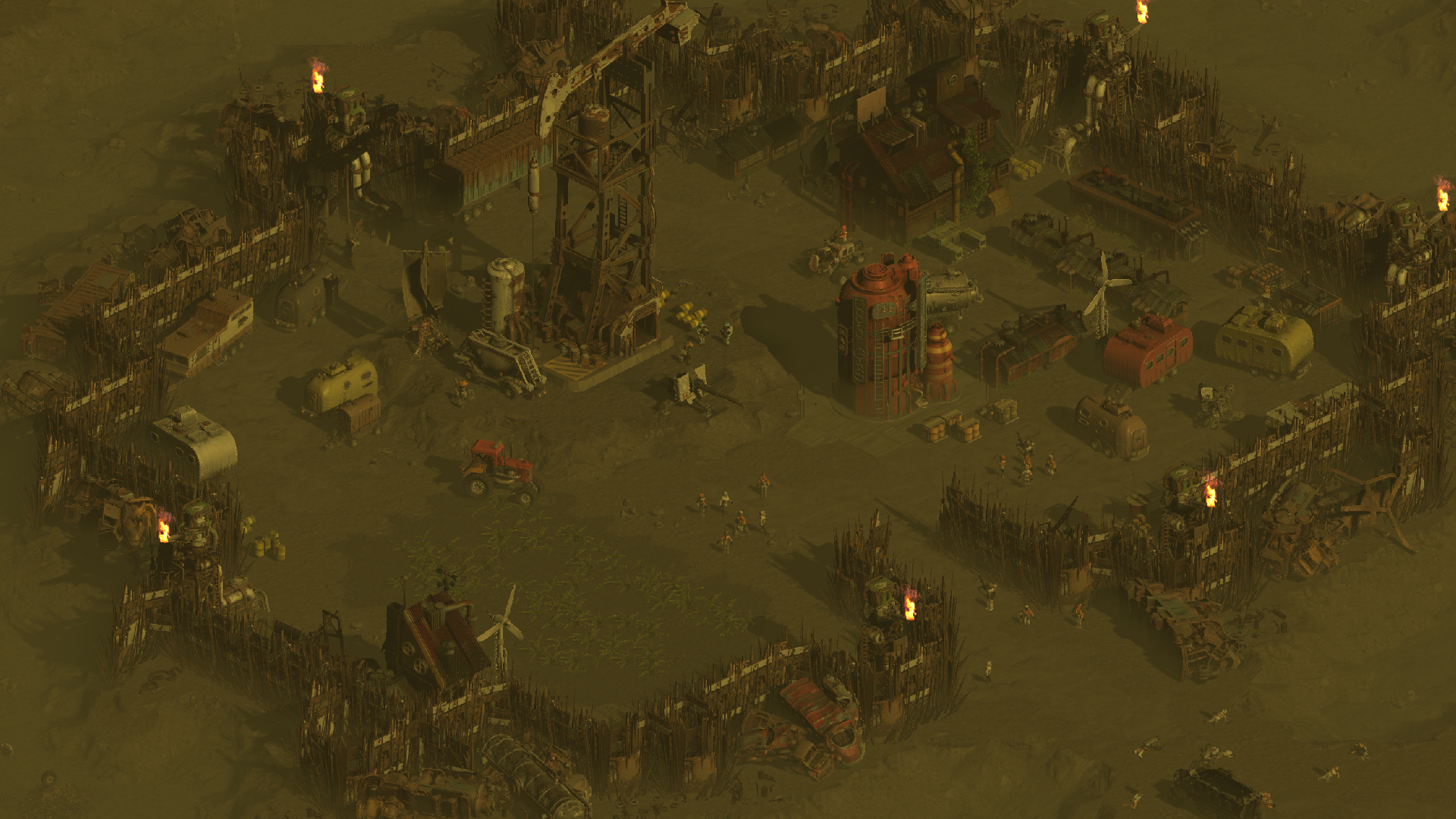

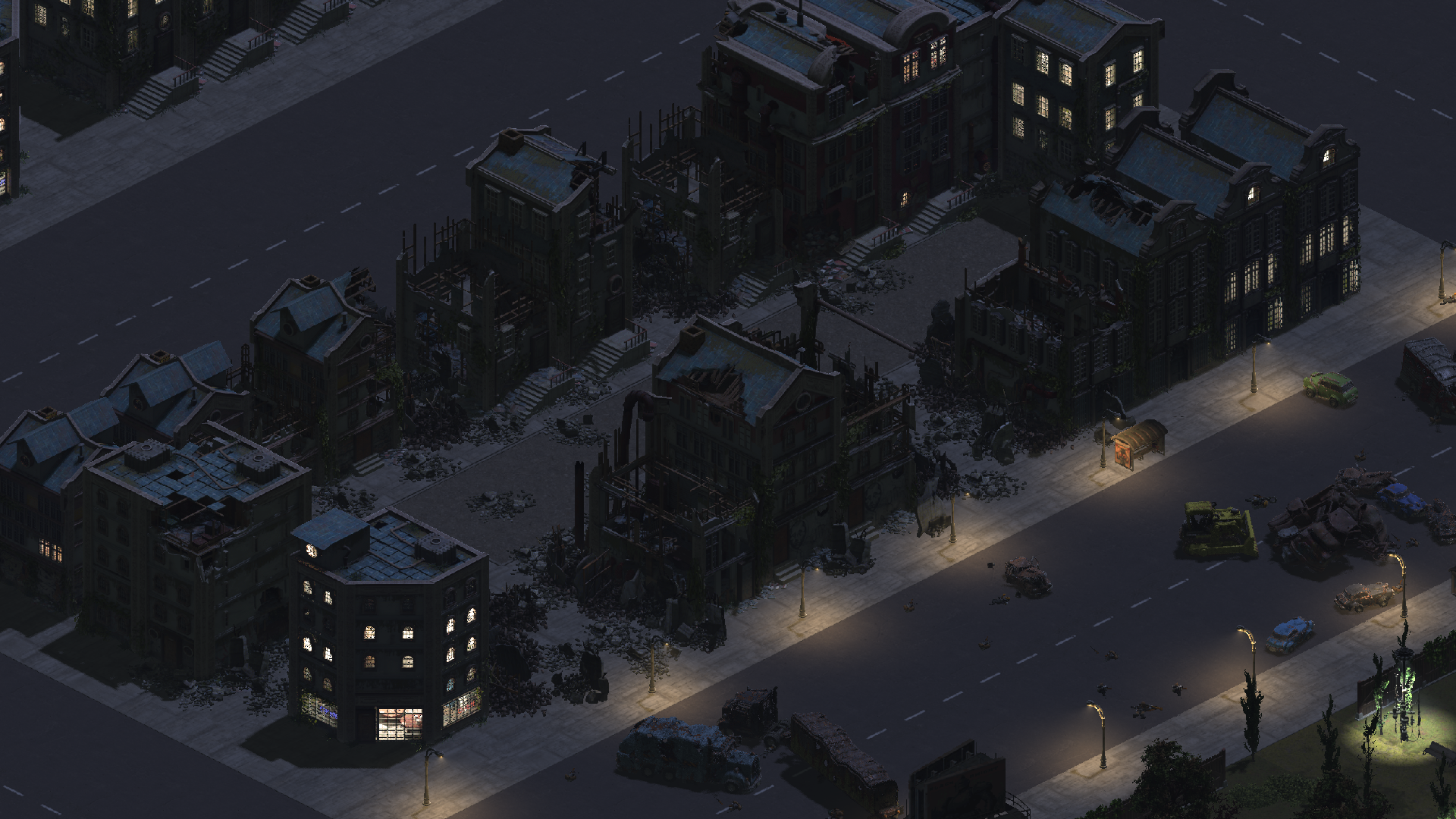
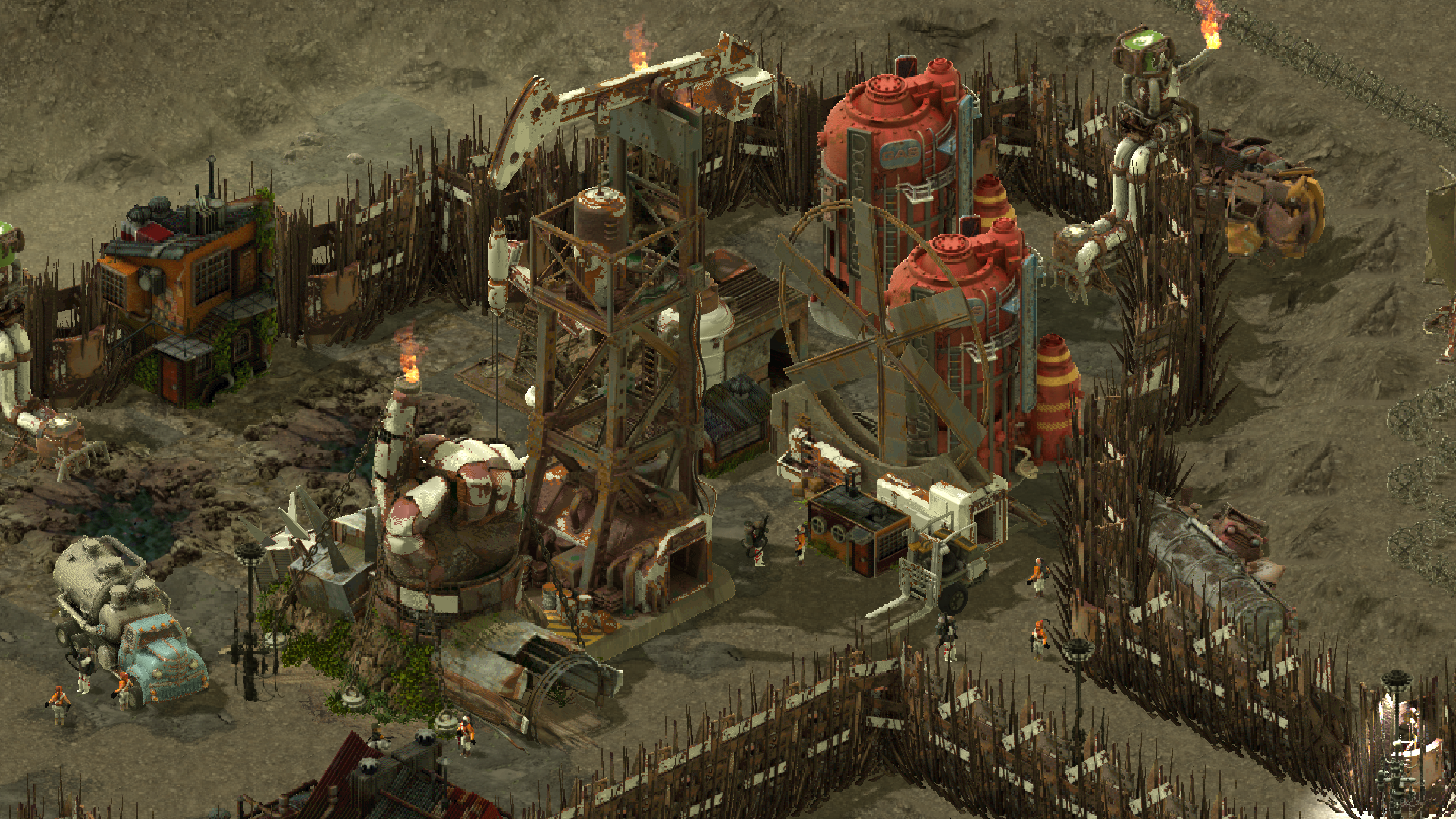


Lastly, I also did an interview with Youtube Perafilozof, so you can listen to that here (warning: my bad mic quality makes me sound like an Eldar unit from Dawn of War)
That's all for this update. As mentioned above, next month we'll be continuing to hammer out terrain stuff, as we want to ensure that all the terrain features are done before we have our mappers actually start doing complete maps, to avoid having to rework and restart level design later down the road.